Leave A Reply
Why Can a Peptide Factory Solve Key Challenges in Peptide Project Execution?
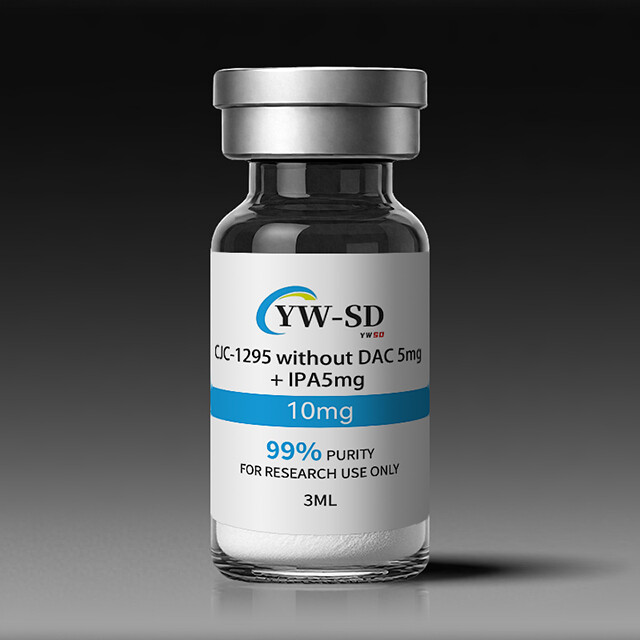
Anyone managing peptide projects—whether for academic research, cosmetic development, or industrial applications—knows the frustrations: missed timelines, inconsistent quality, or solutions that don’t fit unique needs. You may wonder: What makes a peptide factory better equipped to tackle these issues than generic suppliers? The answer lies in its deep specialization, proactive problem - solving, and commitment to aligning with clients’ project realities.
A peptide factory addresses the challenge of technical complexity head - on. Peptide synthesis often involves intricate modifications—such as cyclization or lipidation—that require specialized knowledge. Unlike general chemical suppliers that may struggle with these nuances, a peptide factory’s team includes experts trained in peptide chemistry. For example, if a biotech firm needs a cyclic peptide for target binding studies, the factory can adjust synthesis parameters to ensure proper ring formation, avoiding the failed batches that often come with inexperienced suppliers. This technical proficiency turns complex requirements into manageable solutions.
Cost efficiency is another key pain point a peptide factory solves. Many clients worry about overspending on small batches or wasting resources on ill - fitting products. A peptide factory optimizes costs by matching production scale to client needs: it offers micro - batches for early - stage research (keeping costs low) and scales up efficiently for larger orders (avoiding unnecessary overhead). Additionally, its strict quality control reduces the risk of costly reworks—something that’s common when working with suppliers that cut corners on testing. Clients get more value for their investment, without compromising on quality.
Meeting tight deadlines is a constant struggle for peptide projects, and a peptide factory excels here too. It uses specialized equipment like automated peptide synthesizers and in - house testing labs to speed up processes. For a skincare brand rushing to launch a peptide - based serum, the factory can prioritize production, complete purity checks in days (not weeks), and deliver products on time. This agility is a game --changer for projects where delays could mean missed market opportunities or setbacks in research timelines.
Moreover, a peptide factory offers ongoing support that prevents issues from escalating. If a client’s peptide doesn’t perform as expected in their application—say, a research team finds their peptide has low solubility—the factory’s experts don’t just walk away. They analyze the problem, suggest modifications (like adding hydrophilic residues), and adjust synthesis to fix it. This proactive support turns one - time transactions into long - term partnerships, where the factory invests in the client’s success.
For anyone tired of navigating the hurdles of peptide project execution, a peptide factory is the solution. Its technical expertise, cost efficiency, speed, and dedicated support turn challenges into opportunities—making it the most reliable partner for turning peptide goals into success.
Previous:No more content
Next:No more content