Leave A Reply
What Key Factors Should You Consider When Choosing a Custom Peptide Synthesis Service?
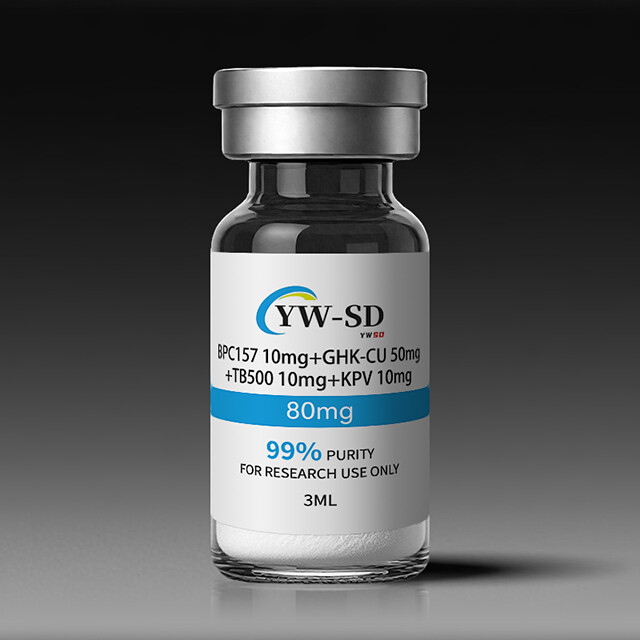
If you’re a researcher, biotech professional, or pharmaceutical developer working on projects like drug discovery or biomarker analysis, you may ask: How do I pick a reliable custom peptide synthesis service that aligns with my project goals? Custom peptides are critical for experiments—from antibody production to in vitro studies—so choosing the right provider can make or break your work. Let’s break down the essential factors to evaluate.
First, peptide purity and quality control matter most. The purity of your custom peptide directly impacts experimental accuracy—impurities (like truncated peptides or byproducts) can lead to false results. Look for providers that offer multiple purity grades (e.g., 95% for basic research, 98%+ for clinical trials) and transparent quality control (QC) processes. Reputable services will share QC reports, including HPLC (High-Performance Liquid Chromatography) and MS (Mass Spectrometry) data, to verify purity and molecular weight. Avoid providers that skip detailed QC—this is a red flag for inconsistent quality.
Second, customization flexibility is non-negotiable. Every project has unique needs: you might require modified amino acids (e.g., phosphorylated or fluorescently labeled residues), specific lengths (from short 5-mer peptides to long 50+ mer sequences), or unusual modifications like cyclic structures. A good service will accommodate these requests without excessive delays or fees. Ask about their capabilities upfront—for example, can they handle post-translational modifications (PTMs) or scale up synthesis from milligram to gram quantities? Inflexible providers may force you to compromise on your experimental design.
Third, delivery time and scalability should align with your timeline. Research projects often have tight deadlines, so check the provider’s standard turnaround times (e.g., 2–4 weeks for standard peptides). Also, consider future needs: if your project moves from early-stage research to larger-scale production (e.g., for preclinical testing), can the service scale up synthesis without sacrificing quality? Working with a provider that offers both small- and large-batch synthesis avoids the hassle of switching vendors later.
Fourth, technical support and communication are essential. Even experienced researchers may have questions about peptide design (e.g., optimizing sequences for solubility) or troubleshooting. Choose a service with a team of peptide chemists who are available to consult—they can offer guidance on modifications, suggest solubility-enhancing strategies, or address issues like low yield. Poor communication (e.g., delayed responses to queries) can cause costly project delays, so prioritize providers with a reputation for responsive support.
Finally, cost transparency helps avoid unexpected expenses. While price shouldn’t be the only factor, it’s important to understand the pricing structure—does the quote include QC testing, modifications, or shipping? Some providers may charge extra for rush orders or complex modifications, so clarify these details upfront. Compare quotes from 2–3 reputable services, but remember: the cheapest option may cut corners on quality, leading to more problems in the long run.
By focusing on these factors—purity, flexibility, timeline, support, and cost—you can select a custom peptide synthesis service that meets your project’s unique needs. Whether you’re working on academic research or pharmaceutical development, a reliable provider will act as a partner to help you achieve accurate, reproducible results.
Previous:No more content
Next:No more content